
Moving to Portsmouth, NH: A Relocation Guide to Costs, Neighborhoods, Jobs, and Schools
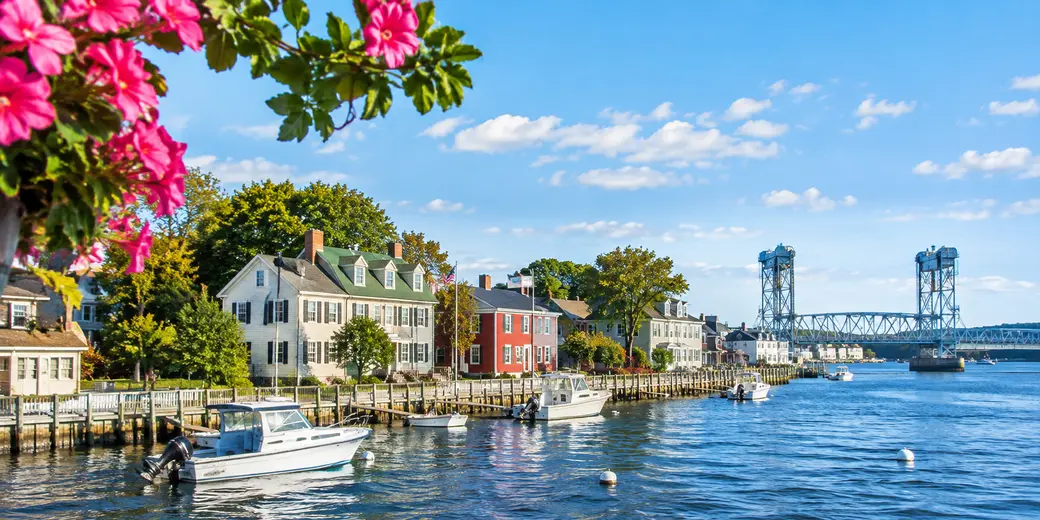
Portsmouth is a city on New Hampshire's Seacoast where waterfront access, a walkable downtown, and regional employment come with a higher housing budget. Census estimates for 2020 to 2024 put the median household income at $106,219, above the statewide median of $99,031, and the average commute at about 22 minutes. If you are moving across the country or just across state lines, housing costs, school logistics, winter preparation, and commuting patterns deserve attention early. This Portsmouth relocation guide explains what daily life costs, where different home styles are found, and how to set practical priorities before choosing an address.
Portsmouth Relocation Quick Reference
Portsmouth combines a compact coastal-city lifestyle with access to a large Seacoast employment base, but buyers should plan around upper-tier housing costs and seasonal ownership expenses.
- Median home price: Portsmouth's single-family median sale price was $887,500 year to date through September 2026, down 0.6% from a year earlier.
- Median household income: $106,219 in 2024 dollars for the 2020 to 2024 estimates. This helps describe household economics, not a recommended home budget.
- Population: 23,028 estimated residents as of July 1, 2025. That scale supports a lively downtown without the footprint of a major metro area.
- Average commute: About 22 minutes for workers age 16 and older. Commute times vary considerably by workplace, schedule, and route.
- Property-tax reference: Portsmouth's most recently approved rate, for Fiscal Year 2026, is $11.51 per $1,000 of assessed value. A property's assessment, exemptions, and future tax rate determine the actual bill.
- Biggest relocation draw: Pease International Tradeport is a business and industrial park of about 3,000 acres with more than 200 companies and more than 10,000 jobs.
Portsmouth by the Numbers
Portsmouth's available indicators describe a small city with high household income, short average commutes, and a housing market shaped by Seacoast demand.
- Housing market, September 2026: 102 single-family homes sold year to date, down 25.0% from a year earlier, and 45 homes were for sale in September, up from 40.
- Owner-occupied homes: About 52% of Portsmouth homes are owner-occupied, which means roughly half are rentals.
- Median owner-occupied home value: $688,500 for the 2020 to 2024 estimates, which reflects all homes in the city, including older and smaller ones.
- Median gross rent: About $1,778 a month for the 2019 to 2023 estimates, a useful reference for households who want to rent before buying.
- Unemployment: New Hampshire's seasonally adjusted rate was 2.6% in September 2026, compared with 4.2% nationally.
- Veterans: Roughly 1,350 veterans live in Portsmouth, and the city offers local property-tax credits for qualifying veterans.
Why People Are Moving to Portsmouth
People are moving to Portsmouth for its combination of coastal access, established employment centers, and a walkable city core. Downtown Portsmouth places restaurants, independent shops, arts venues, waterfront paths, and community events close together, which can make everyday errands and recreation more convenient than in a more spread-out setting.
Employment is a major draw. Pease International Tradeport is a significant regional job center, with a mix of aviation-related, professional-services, technology, manufacturing, health-care, and public-sector employers. Portsmouth Regional Hospital, hospitality businesses, maritime activity, and local government also contribute to the city's employment mix.
Housing in Portsmouth sits at the higher end of what many buyers expect to spend, and prices can vary sharply by property type, condition, and proximity to downtown or the waterfront. Buyers weighing location against monthly ownership costs may find what moving to Portsmouth from out of state involves useful.
Community involvement also has a visible role in Portsmouth life, from waterfront events and arts programming to neighborhood organizations and volunteer opportunities. Newcomers who want to put down roots can start with how connected Portsmouth neighborhoods are. For investors, the same location appeal can support long-term demand, but renovation scope, operating costs, rental rules, and property-management planning should be evaluated property by property, and our look at Portsmouth as a long-term investment covers those questions.
Housing Market Overview
Portsmouth's housing market offers distinct choices by property type, condition, and location rather than one uniform buyer experience. The year-to-date single-family median of $887,500 reflects the broader high-cost Seacoast setting, while monthly figures can swing widely because only 10 single-family homes sold in September. Individual properties can still attract strong attention when they are well located, updated, and priced appropriately.
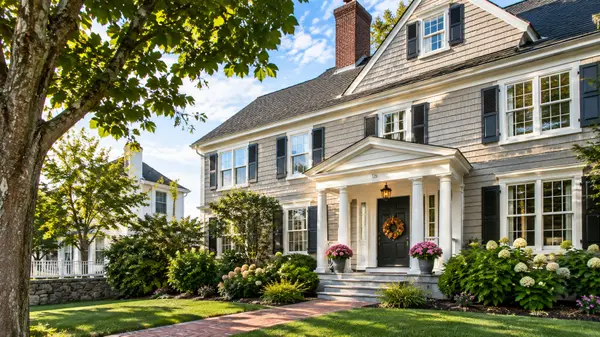
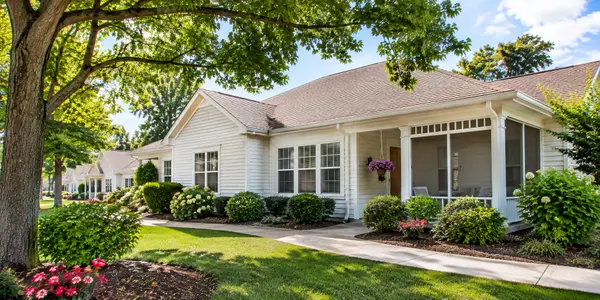
Single-family homes range from historic in-town residences to properties with more land and privacy farther from the core. Condominiums can suit buyers seeking lower-maintenance ownership near downtown services and waterfront amenities, and Seacoast condominium inventory reached its highest level since April 2020 in September 2026. Townhome-style homes offer another middle ground for buyers who want more separation than a typical condo but less exterior responsibility than a detached property.
Inventory and days on market change by season, price point, and presentation, so buyers should evaluate each listing rather than assume the city consistently favors one side. Older homes may offer character and central locations, but renovation budgets, insulation, heating systems, parking, and maintenance needs can materially affect the true cost of ownership. First-time buyers can find a fuller walkthrough in our Portsmouth home buyer's guide.
Portsmouth has limited land relative to demand, making new construction a selective option rather than a broad substitute for existing homes. The Portsmouth area overview provides additional context on the city's setting and housing environment.
Neighborhoods and Communities in Portsmouth
Portsmouth neighborhoods differ most in walkability, housing age, lot size, and access to the waterfront, downtown, or Pease International Tradeport. Price ranges vary by condition and location, so buyers should use current comparable properties rather than assume one neighborhood-wide price.
Downtown Portsmouth suits buyers who value restaurants, cultural venues, the waterfront, and daily errands within walking distance. Housing includes condominiums, historic residences, and smaller in-town properties. It can fit professionals, downsizers, and remote workers who want an active, walkable routine.
The South End is known for historic streets, architectural character, and proximity to downtown and the Piscataqua River. Homes often have older construction details, smaller lots, and potential renovation needs. This area tends to appeal to buyers who prioritize location, neighborhood character, and access to the waterfront.
The West End offers residential streets, local businesses, and convenient access to major routes. Its housing mix is more varied than in the oldest downtown blocks, which can make it practical for households comparing established homes with renovation projects.
Elwyn Park and nearby residential areas provide a more traditional neighborhood setting with access to parks, schools, and city services. These areas can work for relocating families and buyers seeking a quieter daily setting while remaining within Portsmouth.
Pease-area housing choices can be especially convenient for people working at the Tradeport, airport, or nearby offices. The key advantage is commute access, although buyers should still compare property condition, road noise, and monthly carrying costs.
Portsmouth Relocation Guide: Jobs and Economy
Portsmouth offers a diverse employment base anchored by Pease International Tradeport, health care, professional services, hospitality, public services, and small businesses. Pease is a major business and industrial park and one of the Seacoast's most important employment centers.
Other local anchors include Portsmouth Regional Hospital, downtown hospitality and retail employers, municipal services, and maritime-related work across the wider Seacoast economy. This mix gives relocating households several employment pathways, although job fit depends on occupation, licensing, schedule, and commute preference.
New Hampshire's seasonally adjusted unemployment rate was 2.6% in September 2026, compared with 4.2% nationally. Portsmouth's median household income of $106,219 sits above the statewide median of $99,031, but it does not define an individual household's purchasing capacity.
Remote and hybrid workers can benefit from Portsmouth's compact core and regional road connections. Before committing to a home, confirm internet service, workspace needs, parking, and travel time at the specific address.
Portsmouth Relocation Guide: Schools and Education
Portsmouth is served by the Portsmouth School Department, which lists elementary, middle-school, high-school, early-education, and career-technical options. The district's core schools include New Franklin School, Little Harbour School, Dondero School, Portsmouth Middle School, Portsmouth High School, and Robert J. Lister Academy.
Families should confirm enrollment procedures, attendance boundaries, transportation, student-support services, and program availability directly with the district before selecting an address. Those practical details can shape a household's routine as much as a school's name or academic offerings.
Portsmouth High School and Portsmouth Middle School provide the city's primary secondary options. The district also identifies a Career Technical Education Center and Portsmouth Early Education Program among its resources.
For relocating families with college-age students, the best fit may depend on a student's commute, activities, support needs, and programs of interest rather than a single rating or summary measure.
Climate and Lifestyle
Portsmouth has a four-season coastal climate, with cold winters, warm summer periods, and active spring and fall shoulder seasons. The nearby Atlantic moderates conditions, though snow, wind, heavy rain, and freezing temperatures still influence daily routines and home-maintenance planning.
Outdoor life centers on Prescott Park, the downtown waterfront, the Piscataqua River, local marinas, and nearby beaches and trails. Summer supports boating, walking, outdoor dining, and waterfront events. Fall brings cooler temperatures and foliage outings, while winter makes snow removal, heating reliability, and safe driving more important.
For homeowners, winter planning should include insulated outerwear, reliable tires, snow-removal arrangements, and attention to insulation and heating equipment. Coastal storms can bring strong winds, heavy rain, and localized flooding concerns. Buyers should evaluate drainage, roof condition, heating fuel, and any address-specific insurance requirements as part of their overall housing budget. New Hampshire sellers must also give buyers a written flood-risk notice before a contract is signed, so ask about a property's flood zone status early.
What to Budget Beyond the Purchase Price
Portsmouth buyers should budget for recurring ownership costs alongside the mortgage payment, particularly taxes, winter utilities, insurance, and building-specific fees.
- Property taxes: Portsmouth's most recently approved rate, for Fiscal Year 2026, is $11.51 per $1,000 of assessed value. Use the assessed value, not the asking price, when estimating a tax bill.
- Homeowner's insurance: Premiums depend on replacement cost, age, construction type, deductible, and location-specific coastal exposure. Obtain an address-specific quote before finalizing a budget.
- Heating and utilities: Older homes can have higher winter heating needs. Ask about fuel type, insulation, equipment age, and recent utility costs where available.
- Condominium or association fees: Monthly fees may cover exterior maintenance, reserve funding, master insurance, landscaping, or amenities. Review what is included and whether special assessments are planned.
- Renovation and upkeep: Older homes may need updates after closing, and exterior changes in the Historic District can require city approval, so build both time and money into the plan.
- Vehicle costs: New Hampshire does not tax wage income, but registration, fuel, parking, winter tires, and maintenance remain part of a relocation budget.
Ready to Make Your Move to Portsmouth?
A successful Portsmouth move begins with realistic expectations about housing, school logistics, commute patterns, weather preparation, and ongoing ownership costs. Use this Portsmouth relocation guide to clarify your priorities, then compare homes based on location, condition, renovation scope, and a complete monthly budget rather than broad market headlines alone.
Tim Cheney is a licensed REALTOR® with RE/MAX Shoreline, based in Portsmouth, NH, and President-Elect of the Seacoast Board of REALTORS®. He helps relocating families, veterans, and investors compare Portsmouth neighborhoods, housing options, renovation potential, and move timing, with access to listings, including off-market opportunities, and investment property guidance. Call or text +1 (207) 200-3637, email tim@timcheneyrealtor.com, or use the contact page for a no-pressure conversation about your Portsmouth move.
Frequently Asked Questions About Moving to Portsmouth
Is Portsmouth a good place to live?
Portsmouth can be a strong fit for people seeking coastal access, a walkable downtown, regional employment options, and four distinct seasons. The city had an estimated population of 23,028 in 2025, supporting a compact setting with restaurants, services, and cultural amenities. The best fit depends on whether the city's housing costs align with your priorities and monthly budget.
How affordable is housing in Portsmouth?
Housing in Portsmouth generally carries a higher cost baseline than many buyers expect because of its Seacoast location, established downtown, and limited land. The single-family median sale price was $887,500 year to date through September 2026, though individual properties differ substantially by neighborhood, condition, home type, and renovation needs.
What are the job prospects in Portsmouth?
Portsmouth provides access to a broad Seacoast employment base that includes Pease International Tradeport, health care, professional services, hospitality, municipal work, and maritime-related activity. Pease is a major regional employment center, while statewide labor-market conditions were also relatively tight in September 2026, when New Hampshire's seasonally adjusted unemployment rate was 2.6%.
What should I know about schools in Portsmouth before moving?
The Portsmouth School Department lists elementary, middle-school, high-school, early-education, and career-technical options. Confirm attendance boundaries, enrollment steps, transportation, student services, and program availability before choosing an address because those details can affect daily routines and may change.
What are the biggest costs to budget for when relocating to Portsmouth?
Beyond the purchase price, account for property taxes, insurance, winter heating, utilities, vehicle costs, maintenance, and any condominium fees. Portsmouth's most recently approved municipal tax rate, for Fiscal Year 2026, is $11.51 per $1,000 of assessed value, but each property's actual bill depends on its assessment and applicable exemptions.
Categories
Recent Posts





VP of Seacoast Board of REALTORS NH 077699ME BA925726
+1(207) 200-3637 | tim@timcheneyrealtor.com