

Retirement and Senior Downsizing in Portsmouth, NH: A Practical Guide for Seniors and Families
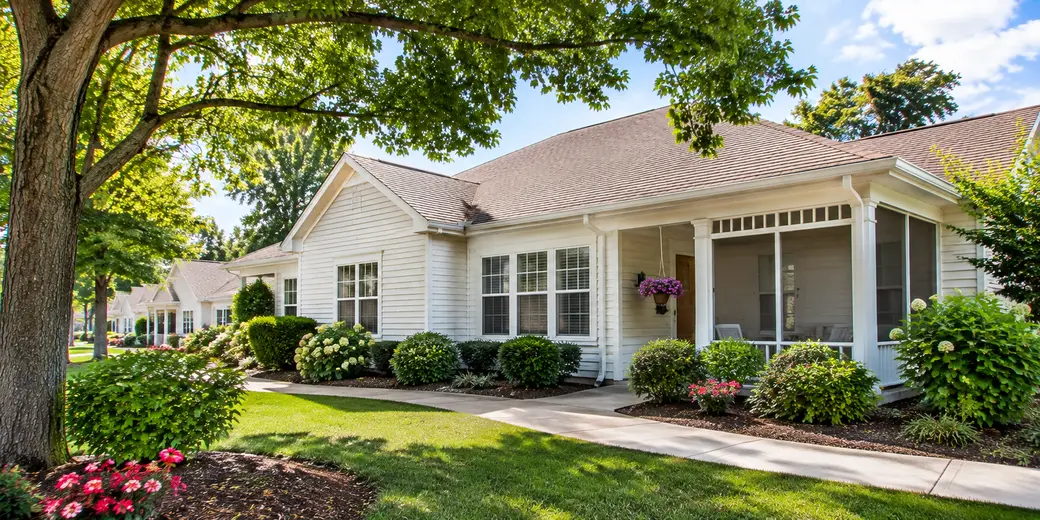
Retirement and senior downsizing in Portsmouth can make everyday life more comfortable, safer, and easier to manage when the next home fits your routines, mobility needs, and retirement budget. Portsmouth is a city on New Hampshire's Seacoast, and planning ahead can help you keep control of both the timing and the decisions involved.
Downsizing is not only about having fewer rooms. It is a chance to choose a home that supports the life you want now, with less upkeep, more convenient features, and room in your budget for the priorities that matter most. Beginning the process before a move becomes urgent gives you time to compare options and make choices at a manageable pace.
When Seniors Consider Downsizing
Seniors often consider downsizing when their current home requires more work, space, or physical effort than they want to maintain. Health changes, stairs, yard care, unused rooms, and a desire to live nearer to family can all make a different home feel more practical.
For many homeowners, the ongoing responsibilities of a larger property become the deciding factor. Snow removal, landscaping, repairs, cleaning, and managing several levels can take time and energy away from hobbies, volunteering, travel, and time with loved ones. In Portsmouth, it can be useful to think about winter routines as well, including how easily you can get from parking to the front door and whether exterior maintenance will feel manageable after a storm.
Isolation can also shape the decision. A smaller home, condominium, or community-oriented setting may place daily needs and social opportunities within easier reach. Consider how convenient it will be to reach grocery stores, appointments, recreation, and the people you see regularly. Many longtime residents also want to keep the volunteer work, civic groups, and neighbors they already know, which is one reason a short move within the city appeals to them. Our look at how connected Portsmouth neighborhoods are shows what that looks like day to day. The best time to plan is usually while there are still several good options, rather than waiting until a change feels rushed.
Housing Options for Seniors
Senior downsizing in Portsmouth can include smaller single-family homes, condominiums, 55+ active-adult communities, and independent-living communities. The right fit depends on the amount of maintenance you want to keep, the privacy you prefer, and the features that will remain useful over time.
| Housing type | May suit someone who wants | Key items to review |
|---|---|---|
| Smaller single-family home | Familiar ownership with less interior and outdoor space | First-floor living, entry access, yard size, laundry location |
| Condominium | Reduced exterior maintenance and a more compact layout | Association fees, rules, reserves, parking, pet policies, included services |
| 55+ community | A neighborhood intended for older adults, sometimes with shared amenities | Age requirements, governing documents, fees, home styles, community rules |
| Independent-living community | Convenience, activities, and fewer household responsibilities | Services included, monthly costs, accessibility, transportation, guest policies |
A smaller single-family home can be a strong choice for someone who still wants private outdoor space and direct control over the property. The most useful layouts often place a bedroom, full bath, kitchen, and laundry on the same floor.
Condominiums may reduce exterior work, but the monthly fee is only one part of the picture. Review what the association maintains, whether reserves appear adequate, how repairs are handled, and whether the building's access, parking, and common areas fit your daily needs. Our HOA buyer's guide explains which records reveal future costs. For Portsmouth properties, ask the association how winter snow removal is handled for walkways, parking spaces, visitor areas, and routes to shared entrances. If the building has an elevator, ask about its maintenance plan and the procedures used if it is temporarily unavailable. Condominium inventory across the Seacoast, which includes Portsmouth, reached its highest level since April 2020 in September 2026, so buyers currently have more buildings to compare.
When comparing local housing settings, focus on the daily experience instead of square footage alone. The Portsmouth area overview and the current Portsmouth listings can help you compare available home types, locations, and layouts.
Aging in Place Features
Aging-in-place features help a home remain comfortable and usable if mobility needs change over time. Single-level living is often the most valuable feature because it limits the need to use stairs for everyday activities.
Look for a bedroom, full bathroom, kitchen, and laundry area on the main level whenever possible. Wider hallways and doorways can improve movement through the home, while lever-style handles, well-placed lighting, and easy-to-reach storage can make ordinary tasks less demanding.
Bathrooms deserve special attention. A walk-in shower, accessible layout, non-slip flooring, and professionally installed grab bars may add confidence and reduce daily obstacles. In addition, a simple route from the driveway or parking area to the front door can matter just as much as the interior floor plan.
If the home you choose needs updates, plan them before you move in so the work is done while the house is empty. Interior changes are usually simpler than exterior ones. An exterior change such as a ramp may need city review if the home is in the Historic District, and condominium owners should check association approval rules first.
A move can also provide an opportunity to reduce outdoor responsibilities. A manageable yard, maintained exterior, or straightforward entry route can support independence while lowering the physical demands of homeownership.
Financial Considerations in Retirement
Retirement downsizing works best when the next home supports a predictable monthly budget, not simply a lower purchase price. Consider the full cost of ownership, including property taxes, insurance, utilities, association fees where applicable, maintenance, moving expenses, and any updates needed before move-in.
Home equity may create flexibility, but it should be evaluated alongside future housing costs and the amount of savings you want to keep available. A smaller property is not automatically less expensive if it is in a high-demand setting, needs renovations, or carries significant association fees.
Portsmouth offers tax relief that is worth understanding before you choose a home:
- Property-tax rate: Portsmouth's most recently approved rate, for Fiscal Year 2026, is $11.51 per $1,000 of assessed value.
- Elderly exemption: Qualifying owner-occupants can have $375,000 (ages 65 to 74), $450,000 (ages 75 to 79), or $525,000 (age 80 and older) taken off the assessed value of their primary home. Applicants must have lived in New Hampshire for at least three years, and income and asset limits apply.
- Deadline: Applications for 2026 were due to the City Assessor by April 15, so ask about timing before you pick a closing date.
- Veteran credits: Veterans may also qualify for local credits. In February 2026, the City Council raised the credit for a service-connected total disability to $5,000.
Confirm current eligibility, filing deadlines, and documentation with the Assessor's Office, because programs depend on age, income, residency, ownership, and use of the property as a primary residence.
A reverse mortgage for purchase may be an option for buyers 62 and older who are considering a new primary residence. A Home Equity Conversion Mortgage for Purchase is a federally insured program that can be used toward buying a home, subject to program requirements, and prospective borrowers should consult a HUD-approved counselor before deciding whether it fits their circumstances.
If You Plan to Keep the Home as a Rental
Some retirees keep the longtime family home as a rental instead of selling it, which turns it into an investment property. That works best when the numbers hold up after maintenance, insurance, and vacancy, and when someone is ready to manage the property. A local property manager can handle tenants, repairs, and winter upkeep for a fee, and older Portsmouth homes can need steady attention to heating systems, roofs, and exteriors. Renting can also change how a later sale is taxed, so a conversation with a tax professional belongs in the plan.
Involving Family in the Decision
Family involvement can make a senior move more manageable when it supports the older adult's independence and priorities. The person making the move should remain central to decisions about timing, belongings, location, and the type of home that feels comfortable.
A helpful first conversation focuses on goals rather than possessions. Discuss what feels difficult in the current home, which routines should stay the same, and what would make the next home feel familiar. From there, family members can help with practical work such as measuring furniture, attending tours, organizing paperwork, or building a realistic timeline.
Clear roles can prevent stress from building. One person may coordinate appointments, another may handle donations, and another may help schedule movers or sort documents. Regular check-ins keep the process collaborative and give the future homeowner time to make decisions without feeling pressured.
Getting Help with the Move
Professional support can turn a large transition into a series of smaller, manageable tasks. Senior move managers, professional organizers, estate-sale services, movers, and donation organizations can each assist with different parts of the process.
Start by sorting one room at a time. Simple categories, such as keep, give to family, donate, sell, and discard, make decisions easier to track. Measuring the new home before packing helps identify furniture that will fit comfortably and items that may be better passed along.
Photos, paperwork, family keepsakes, and sentimental belongings often take more time than expected. Beginning with less personal spaces, such as a utility room or spare bedroom, can create momentum before moving on to difficult decisions. An estate-sale service may help when there are many household items to sell, while an organizer can help create a packing plan and an orderly setup in the new home.
Retirement and senior downsizing in Portsmouth is most successful when comfort, safety, financial clarity, and personal choice guide the plan. Taking time to compare housing options, identify aging-in-place features, prepare a realistic budget, and organize moving support can make a major transition feel safer and less stressful.
Planning a Retirement or Senior Move?
Tim Cheney is a licensed REALTOR® with RE/MAX Shoreline, based in Portsmouth, NH, and President-Elect of the Seacoast Board of REALTORS®. He helps seniors and their families sell, buy, and move with patience and care, from pricing and marketing analysis for the current home to access to listings, including off-market opportunities, for the next one. Call or text +1 (207) 200-3637, email tim@timcheneyrealtor.com, or use the contact page to talk through your plans.
FAQ
What is a 55+ community?
A 55+ community is a neighborhood designed primarily for adults age 55 and older. Community rules, home types, amenities, and occupancy requirements vary, so review the governing documents before choosing a property.
Can I use a reverse mortgage to buy a smaller home?
For buyers age 62 or older, a reverse mortgage for purchase can sometimes help finance a smaller primary residence. A HUD-approved counselor can explain the costs, qualifications, and long-term responsibilities before you decide whether the option fits your plans.
How can family help a senior downsize?
Families can make the move easier by taking on practical tasks while leaving the important personal choices with the senior. Helpful support can include sorting belongings, setting a timeline, measuring furniture, arranging services, and coordinating moving day.
Are there property tax programs for seniors?
Yes. Portsmouth's elderly exemption begins at age 65 and takes $375,000, $450,000, or $525,000 off the assessed value of a qualifying owner-occupant's primary home, depending on age. Residency, income, asset, and ownership requirements apply, and 2026 applications were due by April 15. Check with the City Assessor's Office about current standards, deadlines, and documentation.
Categories
Recent Posts








VP of Seacoast Board of REALTORS NH 077699ME BA925726
+1(207) 200-3637 | tim@timcheneyrealtor.com