
Is Portsmouth, NH a Good Long-Term Real Estate Investment?

It's a fair question, and it deserves an honest answer rather than a promotional one. Portsmouth has a lot going for it as a place to own property long term, but it also has real constraints that any investor should understand before buying in. Here's a grounded look at what drives value in this city, what risks come with it, and what it means for buyers thinking beyond just their next few years.
A City with Limited Room to Grow
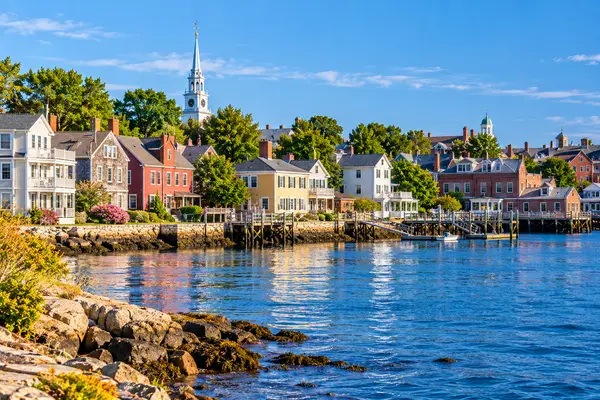
Portsmouth sits on a peninsula, and a significant portion of its land is protected by historic district designations that limit new construction and major exterior changes. That combination matters more than it might seem at first. In most growing markets, rising demand eventually gets met with more supply. In Portsmouth, geography and preservation both put a ceiling on how much new housing can realistically be built.
For an investor, that's a meaningful structural factor. Constrained supply in a place people continue to want to live tends to support values over time, even through slower periods in the broader market. It's not a guarantee, but it's a fundamentally different setup than a market where empty land is still being developed.
What the Numbers Currently Look Like
As of now, Portsmouth's average sales price sits above $1.3 million, with a median sales price closer to $850,000, reflecting a market with a wide range of housing types, from modest single-family homes to significant historic properties and new waterfront construction. The city's year-round population runs a bit under 22,000, a number that has stayed relatively stable, while the seasonal and visitor population swells well beyond that during the warmer months.
These figures move over time, so if you're evaluating a specific purchase, it's worth checking the current market snapshot or browsing active listings to see where things stand today rather than relying on a single point-in-time figure.
The Economic Base Behind the Housing Market
Portsmouth's economy isn't dependent on a single industry, which is generally a good sign for long-term stability. The historic Portsmouth Naval Shipyard has anchored regional employment for generations. The Pease International Tradeport, a business park built on a former air base within the city, hosts a wide mix of employers across manufacturing, logistics, and professional services. Add in a tourism economy built around the historic downtown and working waterfront, a growing healthcare sector, and a genuinely active arts and restaurant scene, and you get a local economy that isn't leaning on any one source of jobs or visitors.
That diversity matters for property investors specifically because it reduces the risk of a single employer or industry downturn dragging down local housing demand.
Rental Demand and Property Management Realities
Portsmouth's mix of year-round employment and seasonal tourism creates rental demand on more than one track. Long-term rentals serve people working locally, while the tourist season supports short-term and vacation rental interest, particularly for properties near downtown or the waterfront. Anyone considering the short-term rental route should check current city rules directly, since regulations in this space tend to shift and vary by property type and zoning.
Managing rental property in Portsmouth also comes with some specific considerations tied to the housing stock itself. Older homes need more consistent maintenance attention, particularly around heating systems, insulation, and roofing given the coastal climate. If you're purchasing an older property specifically to rent or hold, it's worth reading our renovation guide to understand what kind of upkeep and occasional permitting you might be signing up for, especially if the property falls within the Historic District.
Risks Worth Taking Seriously
No honest answer skips the downside. A few things worth weighing carefully:
Entry cost. Portsmouth's limited inventory means competitive pricing, and that's true whether you're buying a starter property or something larger. Investors need to run the numbers carefully rather than assuming appreciation alone will carry a deal.
Coastal exposure. Waterfront and near-waterfront properties can carry higher insurance costs and, depending on exact location, flood zone considerations that affect both financing and long-term maintenance costs.
Historic district restrictions. If flexibility to renovate freely matters to your investment strategy, know upfront that exterior changes on historic properties go through a review process that can add time and, in some cases, limit certain options entirely.
Older infrastructure. Homes with original systems can carry hidden costs that only show up once you own the property. Budgeting for this upfront, rather than being surprised by it later, protects your returns.
Community Strength as a Value Driver
One factor that's easy to underweight financially but matters quite a bit in practice: Portsmouth has a genuinely engaged community and a thriving Main Street business scene, both of which tend to support property values over time by keeping the city desirable to live in, not just visit. A downtown with active local businesses and residents invested in civic life creates a different kind of stability than a market propped up purely by speculation.
So, Is It a Good Long-Term Investment?
For buyers who understand what they're getting into, meaningful entry costs, older housing that needs attentive upkeep, and a review process for certain renovations, Portsmouth offers something a lot of markets can't: genuine, durable demand supported by constrained supply, a diversified local economy, and a community that continues to invest in itself. That combination doesn't guarantee short-term gains, but it's the kind of foundation long-term investors generally look for.
The right move depends on your specific goals, timeline, and risk tolerance, and there's no substitute for looking at actual numbers on an actual property. If you'd like to talk through what a long-term investment in Portsmouth might look like for your situation, feel free to reach out directly, or start by browsing what's currently available in the city.
Categories
Recent Posts




VP of Seacoast Board of REALTORS NH 077699ME BA925726
+1(207) 200-3637 | tim@timcheneyrealtor.com