

Renovating a Home in Portsmouth, NH: Complete Guide

Portsmouth doesn't renovate like most towns. Walk through the South End or down toward Islington Creek and you'll see why: a large share of the city's homes were built before 1900, and a good number of them sit inside a historic district where even swapping out a window can trigger a review process. If you're buying, selling, or investing in a Portsmouth home, understanding how renovation works here, on this specific peninsula, with these specific rules and this specific housing stock, will save you time, money, and a few headaches along the way.
This guide walks through what renovating a home in Portsmouth really involves: the permitting process, the Historic District Commission, what the city's older housing tends to need, and how to think about a project whether you plan to live in the house, sell it soon, or hold it long term.
Portsmouth's Housing Stock Is Older Than Most
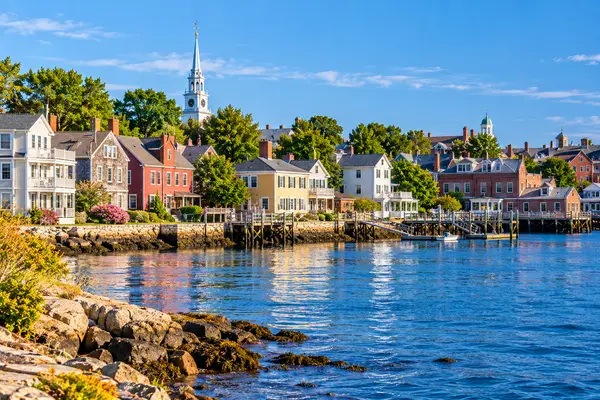
Portsmouth was settled in the early 1600s, and its housing reflects that. Neighborhoods like the South End and downtown around Market Square are dense with Federal and Colonial-era homes, some dating back to the 1700s. Head toward the North End or the Maplewood Avenue corridor and you'll find a mix of eras, with post-war construction sitting alongside much older homes. Newer pockets near Pease and along the outer edges of the city round things out with more contemporary builds.
What this means practically: if you're renovating in Portsmouth, there's a good chance you're working with knob-and-tube wiring that was never fully removed, plaster walls instead of drywall, original wood windows, and a foundation that's a century or more old. None of that is a reason to avoid an older home. It just means your renovation plan should start with an honest assessment of what's behind the walls, not just what you'd like the kitchen to look like.
Permits and the Historic District Commission
This is the part first-time renovators in Portsmouth are most likely to get wrong, so it's worth spelling out clearly.
The City of Portsmouth requires a building permit for general renovation work, meaning any project that changes a building's size or creates rooms or spaces that didn't exist before. Interior renovations to a single-family home typically don't trigger a full zoning review, so those permits tend to move faster. But there's a dollar threshold to know about too: ordinary repair work is required to get a permit once the total cost, including materials and labor, crosses $3,000.
If your home sits within Portsmouth's Historic District, which covers a large stretch of downtown and extends into the North End, any exterior change needs a separate look. Windows, doors, trim, roofing material, anything that alters the exterior in kind, form, or shape, generally requires a Certificate of Approval from the Historic District Commission before the city will issue a building permit. That's a separate application, with its own drawings, photos, and sometimes manufacturer cut sheets for materials.
One more detail that trips people up: if you're adding or digging for a new foundation, Portsmouth's frost line depth is 4 feet, which affects how deep footings need to go. It's a small technical point, but it's the kind of thing that can quietly add cost to a project if a contractor unfamiliar with local code doesn't plan for it upfront.
None of this is meant to scare anyone off. It just means budgeting extra time, sometimes a few weeks to a couple of months, for HDC to review if your project touches the exterior of a historic home. Building that timeline into your plans from the start makes the whole process far less stressful.
Renovating to Live In vs. Renovating to Sell or Rent
The right renovation approach depends entirely on why you're doing it.
If you're planning to live in the home long term, you have more room to make personal choices. A kitchen layout that suits how your family actually cooks, a primary suite that adds real comfort, restoring original woodwork because you love it, these are all reasonable investments even if they wouldn't be the first thing an appraiser would credit you for.
If you're renovating to sell, the math changes. Buyers touring Portsmouth homes are often comparing character and condition against a tight, competitive inventory. Cosmetic updates, a fresh coat of paint, updated lighting, refinished original floors, tend to return more per dollar than a full gut renovation. If you're weighing which repairs are worth making before you list, our guide on home repairs before listing in Portsmouth breaks that down further, and our piece on low-cost upgrades that add value in Portsmouth covers smaller projects with strong returns.
If you're renovating a rental or investment property, durability matters more than trend. Materials that hold up to New Hampshire winters and coastal humidity, straightforward layouts that are easy to maintain between tenants, and mechanical systems that won't need attention every season will serve you better than a showroom-perfect finish.
What Portsmouth's Climate Does to a Renovation Budget
Being a coastal city changes what a renovation budget needs to cover. Salt air and humidity are hard on exterior materials, wood trim, and metal fixtures, so many owners find themselves budgeting more for exterior maintenance than they would inland. Winters bring their own issues: older homes without adequate attic insulation are prone to ice dams, where melting snow refreezes at the roofline and works its way under shingles.
This is why a lot of Portsmouth renovations that start as a simple cosmetic project end up including attic insulation, roof ventilation, or window weatherproofing. It's not scope creep so much as it's addressing what the house needs to perform well through a full New Hampshire year. Older systems are part of this too. Many homes still have original heating setups or partial upgrades, and knob-and-tube wiring or galvanized plumbing shows up more often than buyers expect once an inspector gets a look behind the walls.
Budgeting in Tiers
Renovation costs vary widely depending on the age and condition of the home, but it helps to think in three general tiers when you're planning:
- A cosmetic refresh (paint, fixtures, flooring refinish, minor repairs) is the fastest way to improve a home's feel and is usually the best return for sellers working with a near-term timeline.
- A mid-level remodel (updated kitchen or bath, some structural or system work) makes sense for owners planning to stay several years and want the home to function better day to day.
- A full renovation or gut (new systems, reconfigured layout, exterior work requiring HDC approval) is a bigger commitment in both time and money, and usually makes the most sense for owners planning to stay long term or investors adding significant value to a property they'll hold.
Get a few contractor estimates before committing to a tier. Costs in Portsmouth can run higher than in less competitive markets simply because skilled trades familiar with historic home construction are in demand.
Finding the Right Help and Planning Around the Seasons
Contractors experienced with Portsmouth's older housing stock and its permitting process are worth seeking out specifically. Working with someone who has been through an HDC application before will save you real time. It also helps to plan major exterior work around the seasons: spring and summer are the busiest (and most expensive) months for contractors here, so if your project isn't weather-dependent, off-season scheduling can sometimes mean better availability and pricing.
Renovating with Portsmouth's Character in Mind
Part of what makes Portsmouth desirable is the very thing that makes renovation here a little more involved: the historic character of its streets and homes. Buyers are drawn to the walkable downtown, the preserved architecture, and a community that clearly values its history. A renovation that respects that character, even when it's not legally required to, tends to be appreciated by future buyers and neighbors alike. That's true whether you're restoring original details on a Federal-era home downtown or simply choosing exterior colors that fit the streetscape in a neighborhood like Christian Shore or Pannaway Manor.
Where to Go from Here
If you're weighing a renovation ahead of a sale, start by getting a sense of what your home is worth as-is with a free home valuation, which can help you decide whether a given project is likely to pay off. If you're preparing to list, our page on selling your home in Portsmouth walks through the process from start to finish. And if you're browsing renovated or move-in-ready homes yourself, you can see what's currently available in Portsmouth or check out active listings across the area.
Whatever stage you're at, feel free to reach out directly with questions specific to your property. Every home in this city has its own history, and the right renovation plan starts with understanding that history, not fighting it.
Categories
Recent Posts




VP of Seacoast Board of REALTORS NH 077699ME BA925726
+1(207) 200-3637 | tim@timcheneyrealtor.com